
Case Study
Ridiculously Hopeful Futures for a Human-Centered Government
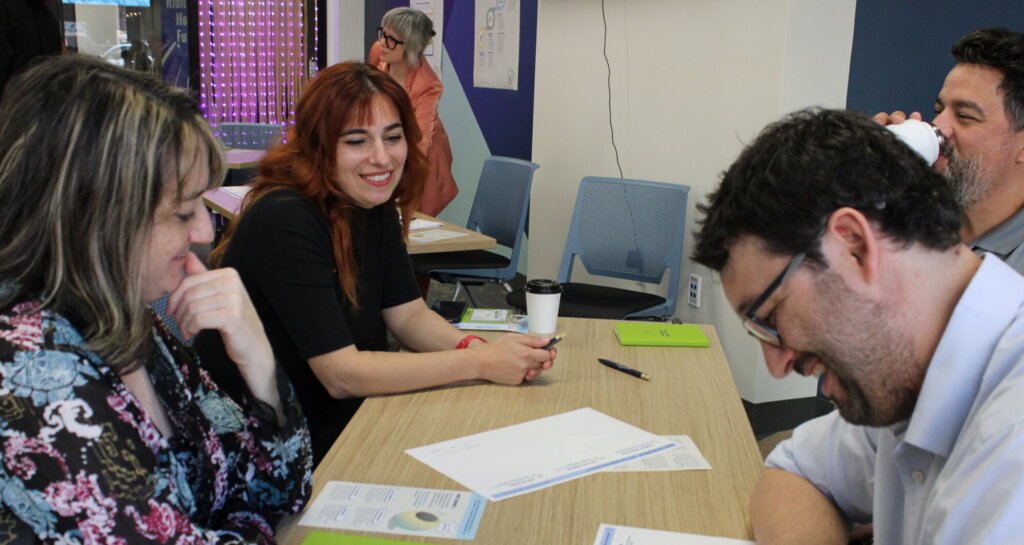


Imagine a future where consulting the people who need government support is routine — where their voices shape policies, programs, and services. By listening to customers, we can create better experiences and outcomes for everyone.
Ridiculously Hopeful Futures in California is a project fiscally sponsored by Realize Impact.
Building off the success of our participatory experiential futures (PXF) work, we are launching the first initiative under this project: the Lived Experience Leadership Institute (LELI), in partnership with Dalbert.Design.
LELI is a training and research platform to equip Californians who have lived experience with poverty, disability, systemic racism, and homelessness with the tools and confidence to embed their expertise into county government processes. This work rests on five hypotheses:
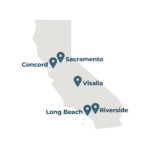
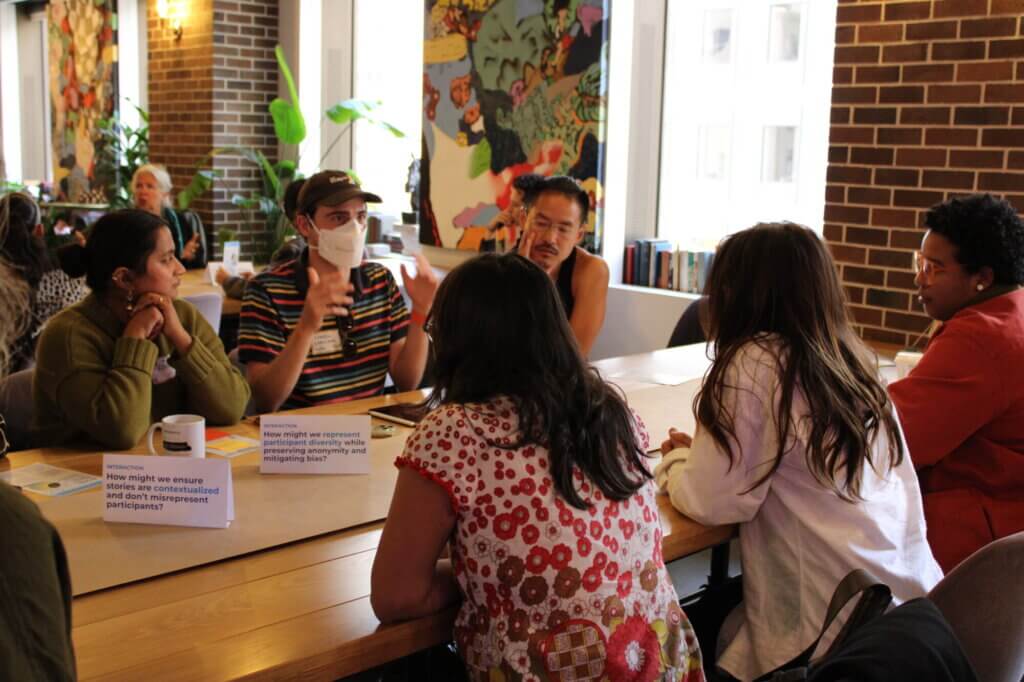
We’ve been seeing the landscape of technology evolving before our eyes – both showing both promising opportunities and concerning gaps for the public sector context. We hosted a series of experiential futures workshops across California with state and local leaders; advocates; customer-facing staff; and community leaders to help define the future that people want to see.
Across our different conversations we heard a demand to incorporate the voices of clients/program participants into decision-making processes in a way that elevates a range of perspectives and prioritizes agency, consent and privacy.
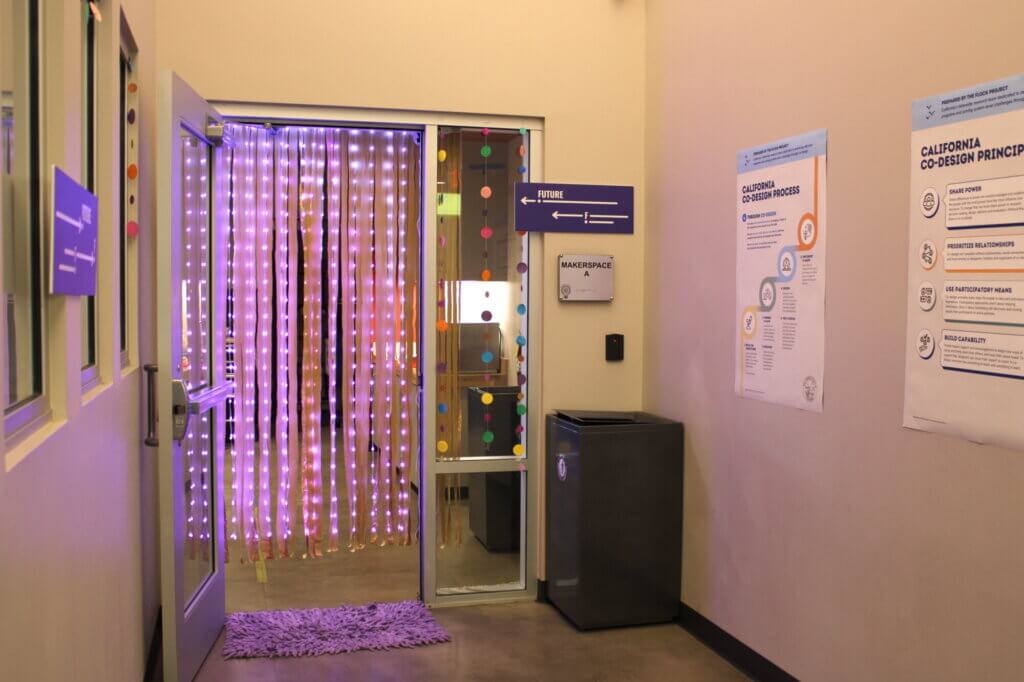
Instead of merely talking about what could happen, we build spaces where people can step into the future. Participants engage with scenarios using storytelling, role-play, artifacts, and other sensory elements. This approach helps people imagine, feel, and understand what different futures might be like, fostering deeper insights and inspiring bold ideas for change.
By experiencing these possible futures firsthand, participants can better envision practical steps toward more customer-centered government services. Watch what it looked like to join one of our experiential workshops:
Check out the full series here!
Virginia Hamilton, Make Fast Studio
“We live into the futures we imagine.” Virginia Hamilton, a longtime public servant turned public sector innovation catalyst, reflects on how our visions shape reality and calls for a new narrative in our Ridiculously Hopeful Futures project. Imagine a future where the government works for everyone, public servants are celebrated, and policies are co-designed with the people impacted by them. Through storytelling, technology, and collaboration, we can build a more hopeful, human-centered future. Join us in imagining a future that we all deserve.
Hillary Carey, Just Visions
“Step into the future with us!” Here, Hillary Carey, Ph.D, from Just Visions dives into the topic of Participatory Experiential Futures for our Ridiculously Hopeful Futures project, inviting people to explore immersive, full-scale visions of what a human-centered government could be through scenes, stories, and artifacts. What would you change? Whether it’s a workshop or a quick brainstorm, everyone has a role in shaping tomorrow.
At California Workforce Association’s (CWA) Meeting of the Minds conference in Monterey (September 2025), we invited participants to time travel…
Background In the Spring of 2025, our Ridiculously Hopeful Futures (RHF) project invited community members and public benefits administrators across…
At the end of January, we had the honor of designing and facilitating a participatory event with our partners…
In this article, Hillary Carey explores how Experiential Futures—immersive ways to help people imagine possible worlds—can be made more accessible. Drawing on Stuart Candy’s framework, she highlights how scaling down from large installations to small, playful prompts allows anyone to engage with future thinking. The piece invites readers to consider how even simple, low-cost experiences can spark powerful conversations about what’s next.

Stay Informed! Follow along as we build a more inclusive, responsive, and visionary approach to government services.
We are actively looking for philanthropic partners to bring these collective visions to life! Interested? Send us an email: futures@civicmakers.com
Let’s design a future where government truly listens.