Santa Cruz County’s Workforce Ecosystem Showcases its Big Ideas
Celebrating the culmination of a five-month Human-Centered Design Learning Lab
“Speak up, fix sh*t, and make work suck less.”
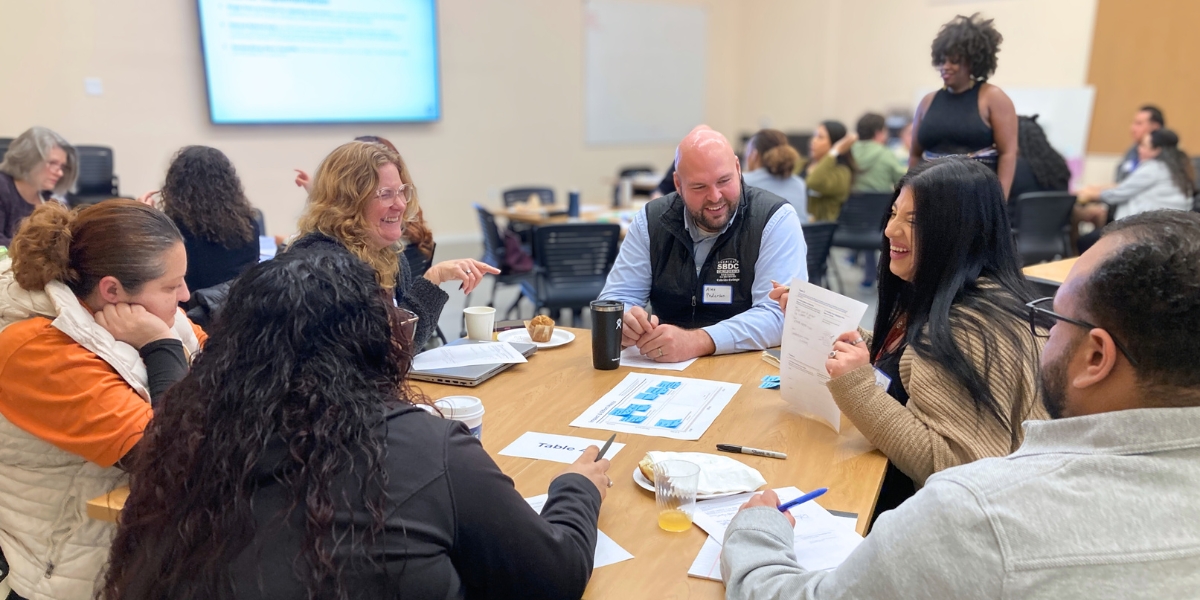
This was one of the mic-drop moments from a team composed of the Santa Cruz County’s Workforce Development Board leadership, its Community Action Board, as well as education and job center partners. This was shared at the Showcase on January 28th in Watsonville, a culminating event from a five-month Human-Centered Design Learning Lab our team facilitated with the County’s Workforce Development Ecosystem.
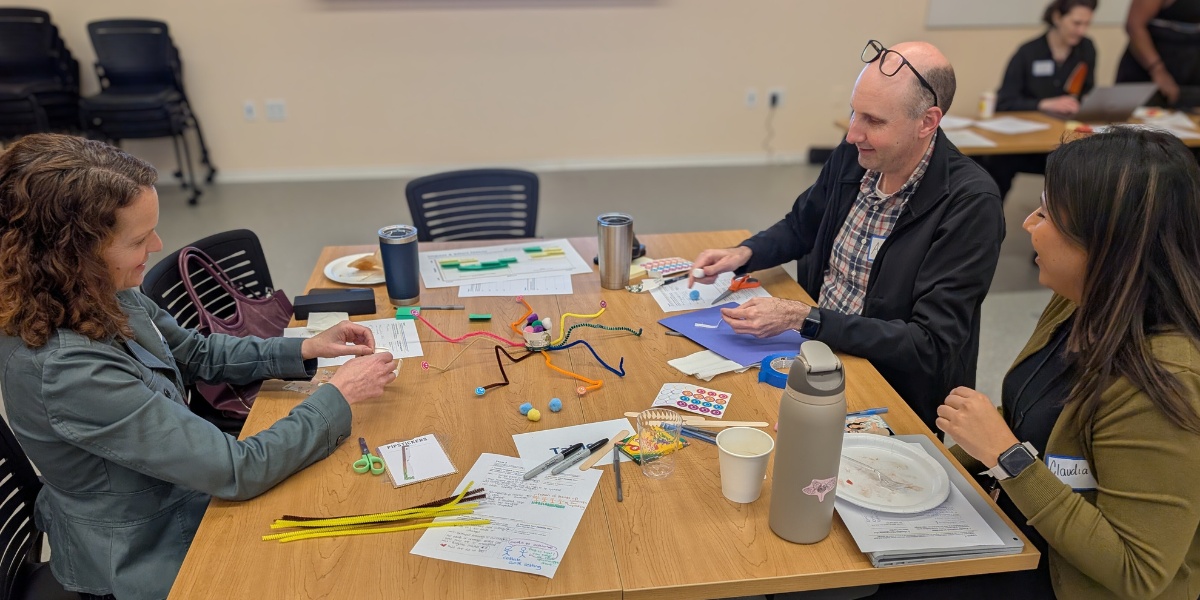
Designing the Event
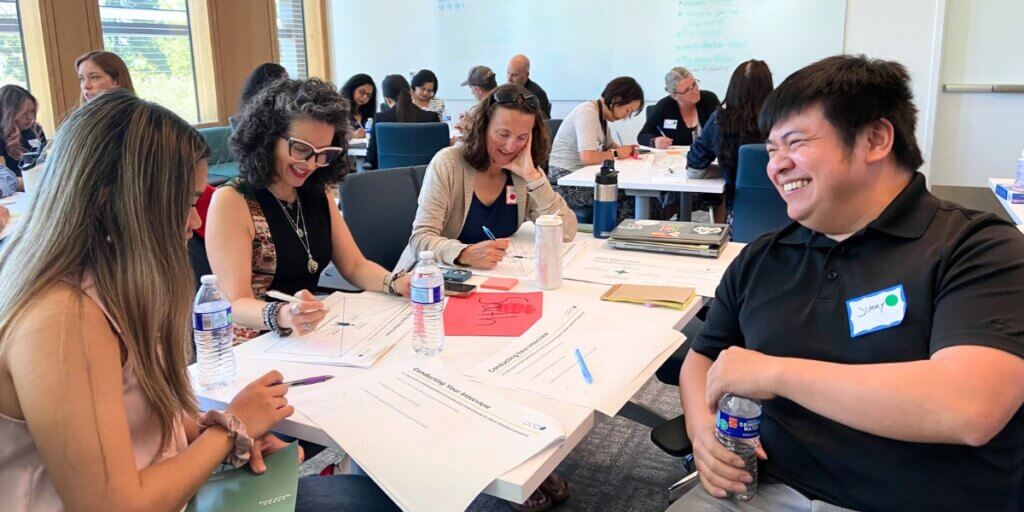
While most of this Learning Lab was facilitated virtually, the program kicked-off with an in-person “Introduction to HCD in Workforce Development” session back in September, 2025. Since then, four cross-functional teams explored each phase of the design process to better understand shared challenges across Santa Cruz County.
We knew it was important for the teams to be in-person at this final, official event of their HCD Learning Lab journey. To bring that many people together, from across the county, we had to make this time count.
Our two primary goals for this event were:
- Guide Learning Lab teams into the prototyping stage of Human-Centered Design; introducing the final topic of the curriculum while tying in with the work they’d completed to date.
- Set a celebratory tone to showcase the hard work and care that participants put into this process.
With two and half hours to achieve both of these goals, we knew we’d have to be creative and intentional in how we designed the session.
Making the Final Stages of Human-Centered Design Tangible
In ten years of embedding HCD within public sector contexts, we’ve found prototyping can be the most unfamiliar part of the process. It involves building ideas so they can be more tangible to others and inviting deeper feedback on the design and feasibility of ideas. It’s often a new role for our participants and it challenges the norm of ‘perfecting’ an idea before testing it.
We bring craft supplies with us to help tap into past creative experiences people might have had. These materials help participants to quickly mock up their idea, without the pressure of creating a polished product.
Since prototyping with pipe cleaners might feel too playful to bring back with them in their own work, we also wanted to balance this with tools that they could immediately use and share with their organization.
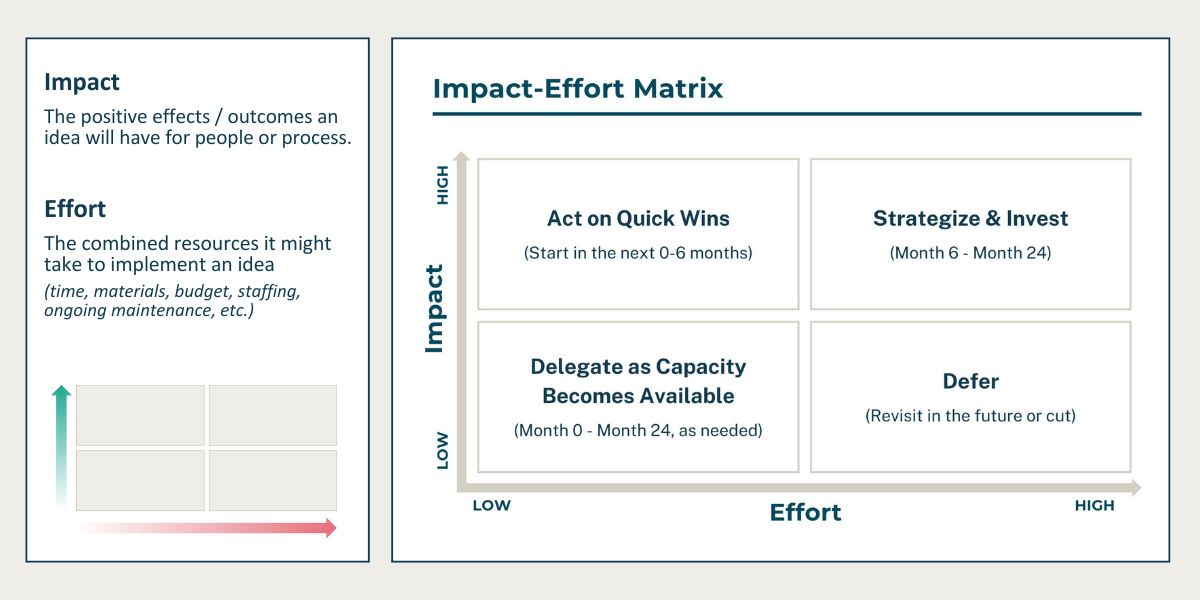
We introduced participants to the impact-effort matrix, a practical framework they can use to evaluate ideas and decide what to act on or set aside. We gave each table this framework to plot the ideas that Teams 1-4 presented. Then we instructed them to review the shortlist of ideas they placed in the ‘high impact’ row to select one to prototype.
Setting a Celebratory Tone
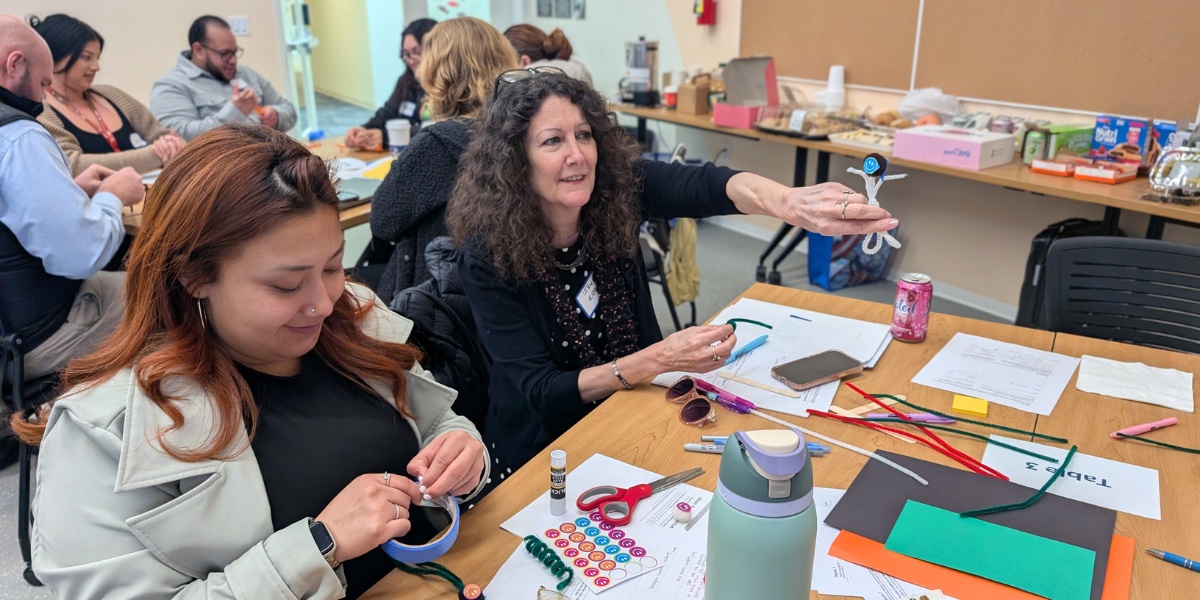
The program requires participants to give their time to stretch outside their comfort zone, collaborate with new people, and coordinate with team members in different organizations with different approaches and schedules. It’s not a small commitment that people made to show up and work together to invest in continuous improvement. To honor this commitment, we wanted the Showcase to feel celebratory and playful. As we closed out this curriculum, we wanted to give all participants a sense of accomplishment and inspiration.
Planning the last session to cover prototyping, we knew we’d already have some element of play – pipe cleaners, stickers and googly eyes really help set the tone.
We also planned for the event to be a potluck, coordinating with attendees to bring their favorite foods to share with each other and start the day with a celebratory and familial feel. This “potluck” invitation worked well. There were many treats people brought, and were proud to share with other teams. This invitation introduced an element of care among participants, and it decreased the feeling of a “formal” presentation.
Most important to creating a celebratory tone was being together in person. It can be hard to make the time, especially when people are joining from across the county, but these moments together are critical. As one participant noted:
“What was most valuable to me was the fact that there was a full room and to know that we all came together with one goal in mind and we are all passionate about what we do and how it can be improved. That we are not only talking and leaving it up in the air but actually coming together to hopefully see something change, something come out of all the work we as a collaborative came up with.”
As coaches for each of these teams, it was a pleasure to see everyone connecting outside the zoom screen. Bringing the full group together also helped to cross-pollinate their ideas. People resonated with each others’ presentations, insights and ideas for improvement. Of the 13 ideas that were presented, most were voted as ‘high impact’ across the worksheets. This helped folks walk away with a sense of excitement and purpose.
Setting us up for What’s Next
The challenges teams were working on were all shared, across the county. Our goal in designing experiences like this is to showcase different ways of working together and learning from each other. Working across organizations – and across position levels – is not easy but it helps to surface and leverage the deeply embedded expertise from those delivering services.
Based on the session activities and discussion, we learned that many of the ideas were seen as highly impactful for the county. The data from team impact-effort worksheets, helped us categorize ideas for near-term projects and long-term initiatives. Our next steps are to bring more people into this process, identifying ideas to act on now or to further explore and invest in.