



Blog Post
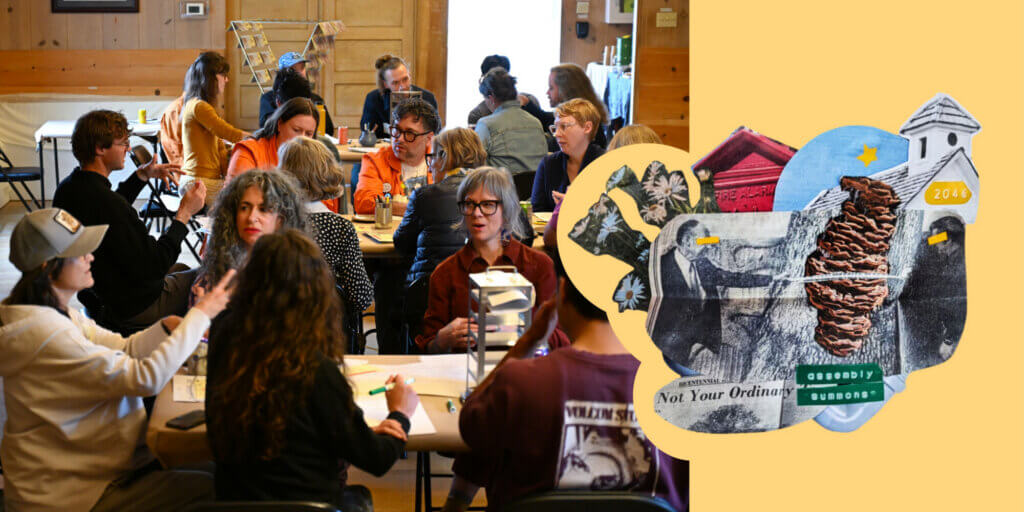
Civic Summons: 2046
GUEST AUTHOR Suzie McMurtry is an interdisciplinary artist and design researcher from the San Francisco Bay Area. As a fellow…

San Francisco is developing an earthquake retrofit program to identify and strengthen vulnerable concrete buildings. Partnering with SF’s Office of Resilience and Capital Planning (ORCP), CivicMakers led an equity-centered engagement process with a working group of stakeholders across a diverse set of organizations and perspectives to co-create elements of a Concrete Building Safety Program (CBSP).
“The CivicMakers team helped us find creative ways to get real engagement and collect input on the topics that felt most important to stakeholders. They were a valuable partner for a focus on equity, making sure we didn’t lose sight of that throughout the entire process.”
Brian Strong Chief Resilience Officer/ Director, San Francisco Office of Resilience and Capital Planning
GUEST AUTHOR Suzie McMurtry is an interdisciplinary artist and design researcher from the San Francisco Bay Area. As a fellow…